
Understanding the basics of gambling A beginner’s guide to getting started
What is Gambling?
Gambling is the act of risking money or valuables on an event with an uncertain outcome, primarily driven by the hope of winning additional money or valuables. It encompasses a wide range of activities, including casino games, sports betting, lottery games, and online gaming. The fundamental element of gambling is the element of chance, with outcomes often determined by luck or randomness. Many players today prefer to engage in online casino games due to their availability and variety.

As a beginner, it is essential to understand that gambling can be both entertaining and risky. While many people enjoy the thrill of wagering, it’s crucial to recognize the potential for loss and to approach gambling with caution and a clear strategy. Responsible gaming involves understanding your limits, setting budgets, and knowing when to walk away.
The Different Types of Gambling
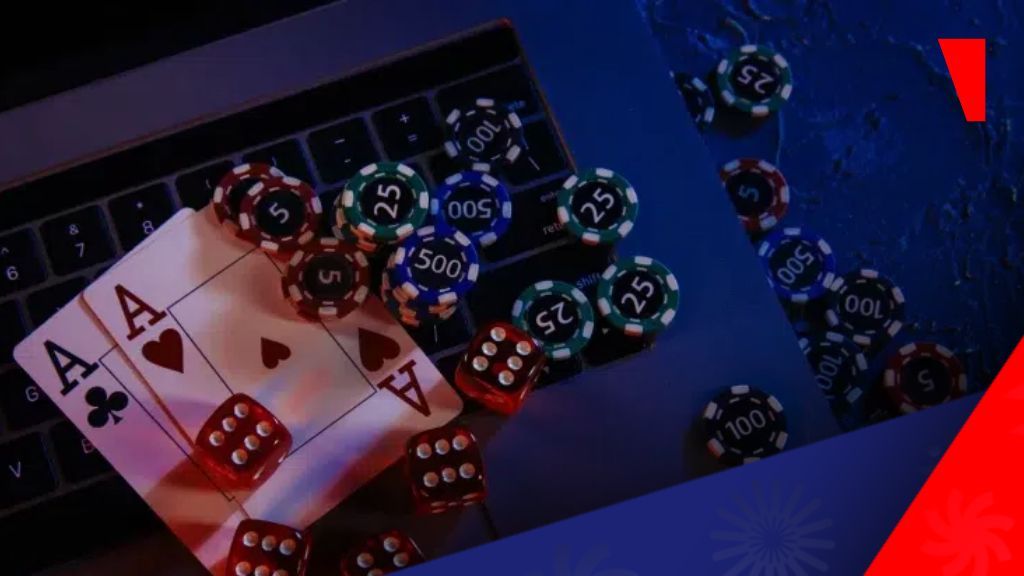
Gambling can be classified into several categories, with each offering unique experiences and risks. Casino games like slots, poker, and blackjack are popular options, where players compete against the house or other players. Sports betting allows individuals to wager on the outcomes of various sporting events, creating a connection between the excitement of sports and the thrill of wagering.
Another growing sector in gambling is online gaming, where players can enjoy various games from the comfort of their homes. Online casinos offer everything from classic card games to innovative slot machines. Understanding the different forms of gambling can help you identify which align best with your interests and risk tolerance.
The Role of Technology in Gambling
In recent years, technology has significantly transformed the gambling landscape. Online platforms have made it easier for players to access a vast array of games anytime and anywhere. Mobile applications allow for gaming on the go, ensuring that players can place bets or spin the reels from their smartphones or tablets.
Moreover, advancements like live dealer games have bridged the gap between online and in-person gambling. These games stream real dealers in real-time, offering an immersive experience that feels similar to being in a physical casino. As technology continues to evolve, the gambling experience will likely become even more interactive and accessible.
Understanding Odds and Probability
To make informed decisions in gambling, it is essential to understand the concepts of odds and probability. Odds reflect the likelihood of a specific outcome occurring, while probability is the actual chance of that outcome. Both concepts help players assess potential risks and rewards before placing bets.
Different games have varying odds, which impact the potential payout. For example, in games of skill like poker, players can influence their odds through strategy and decision-making. In contrast, games based purely on chance, like slots, rely solely on luck. Familiarizing yourself with these concepts will help you approach gambling with a more analytical mindset.
Your Guide to Responsible Gambling
As you embark on your gambling journey, it’s vital to prioritize responsible gaming. Set clear limits on how much money and time you are willing to spend. Knowing when to stop is crucial, as it can prevent losses from spiraling out of control. Additionally, consider keeping track of your spending to better understand your gambling habits.
Furthermore, many platforms offer tools to assist players in maintaining responsible gaming practices, such as deposit limits and self-exclusion options. Familiarize yourself with these features as they can enhance your experience and ensure that gambling remains a fun and enjoyable activity.